
Contributing Writer
As a property owner in the Eastern Sierra, it’s natural to ask: “How much does Airbnb actually take from my earnings?”
In 2026, the answer has changed. Between Airbnb’s mandatory shift toward total price transparency, evolving guest expectations, and Mammoth Lakes’ aggressive regulatory environment, “passive income” now requires an active, data-driven strategy.
In this comprehensive guide, we break down the true costs of hosting in today’s market and how to protect your bottom line.
Airbnb has moved aggressively toward “Total Price Transparency” to compete with hotels. Depending on your setup, you fall into one of two categories:
The Airbnb Host-Only Fee (Simplified Pricing)
This is now the standard for professional property managers and software-connected hosts.
The Airbnb Split-Fee Model
Common for casual or DIY hosts.
The Cost: Host pays 3%; Guest pays 14%–16%.
The 2026 Reality: California transparency laws mean guests see this total upfront. If your guest-facing Airbnb fees push the total too high, your search ranking will suffer.
Want to know more? Check out our guide on how to increase your rental profits.
To calculate your true Net Operating Income (NOI), you must look beyond the standard service fee.
| Expense Category | Estimated Cost | Why Its Hidden |
|---|---|---|
| Airbnb Host Fee | 15.5% (Simplified) | Now applies to cleaning/pet fees, not just the nightly rate. |
| Mammoth TOT Tax | 14% | Collected by Airbnb, but affects your total price competitiveness. |
| TBID Assessment | 1% – 2% | A local assessment funding Mammoth Lakes tourism marketing. |
| Compliance Tech | $200 – $500/year | Required noise sensors and smart-lock subscriptions. |
| Specialized STR Insurance | $1,500 – $3,000/year | Essential to cover "Loss of Income" (AirCover won't). |
| Consumables Inflation | $15 – $25 per stay | Coffee, luxury linens, and toiletries have risen in cost. |
| Annual Permit & Safety | $250 – $1,000 | Mandatory balcony inspections (SB 326) and Town permit fees. |
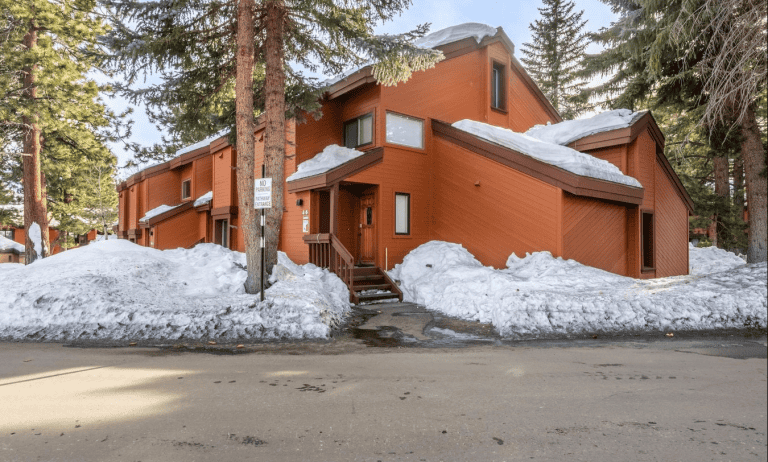
Professional hosting in a resort like Mammoth involves overhead that “flatland” properties don’t face:
The Cleaning Subsidy: Guests in 2026 are vocal about “chore lists.” To maintain 5-star reviews, top hosts now subsidize cleaning—charging the guest less than the actual cost and rolling the difference into the nightly rate.
Snow-Load Maintenance: High-altitude properties require proactive deck shoveling and ice-dam prevention. Ignoring these costs can lead to $20,000+ in roof repairs.
The Airbnb AirCover Gap: While AirCover provides $3M in damage protection, it is a reimbursement program, not insurance. You often pay out-of-pocket first and fight for weeks for reimbursement.
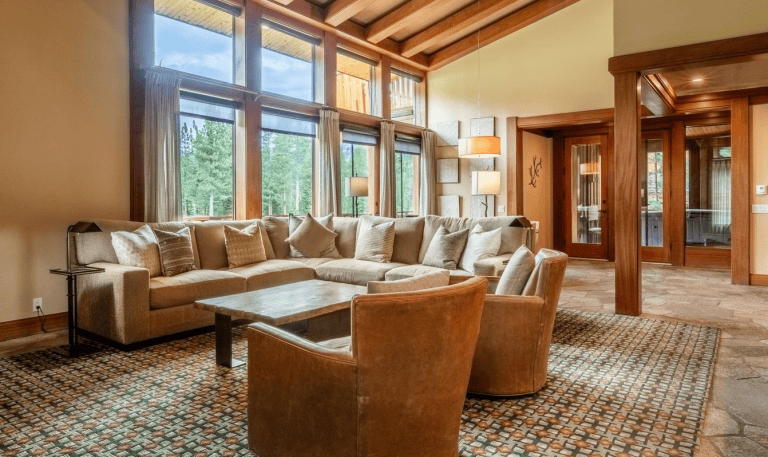
In 2026, the gap between a “DIY” host and a professional manager is roughly 25% in gross revenue. Working with a local expert like Mammoth Property Management turns these Airbnb costs into managed variables:
Dynamic Pricing 2.0: We adjust rates daily based on snowpack, lift ticket sales, and local events to ensure your Airbnb fees are paid out of “premium” profits.
Direct Booking Channels: We help repeat guests book directly, bypassing Airbnb’s fees entirely for a significant portion of your bookings.
Boots on the Ground: We handle the “Good Neighbor” complaints and 2 AM heater failures that can lead to costly fines or permit revocation.
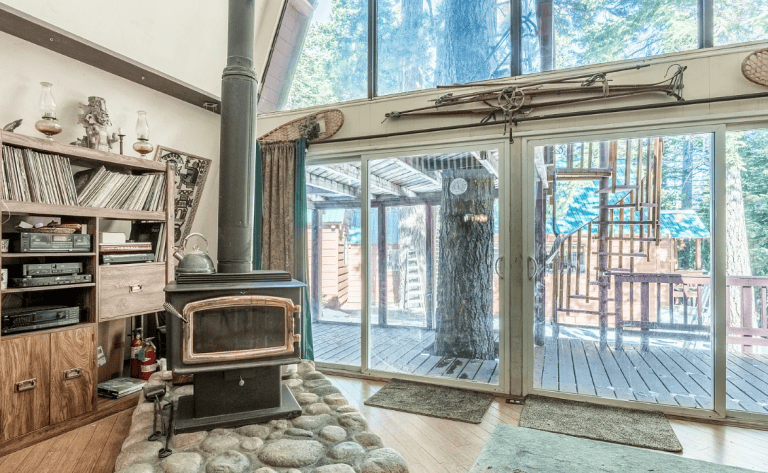
While the town lifted the general moratorium in 2024, strict permanent bans remain in effect for specific zones. If you are looking to purchase or register a new property, you must avoid these “No-Go” Zones:
RSF (Residential Single Family): Permanent ban. You cannot short-term rent a single-family home in a residential neighborhood.
RR (Rural Residential): Permanent ban. Similar to RSF, these low-density areas are strictly for long-term residency.
RMF-1 (Residential Multi-Family 1): Prohibited. Though these are multi-family units, they are zoned for workforce and local housing, not tourists.
AH (Affordable Housing Overlay) & MHP (Mobile Home Park): Strictly prohibited.
Before you buy, check our Compliance Guide to see if your specific street address is on the ‘No-Go’ list.
Contact us today for a quote on managing your property
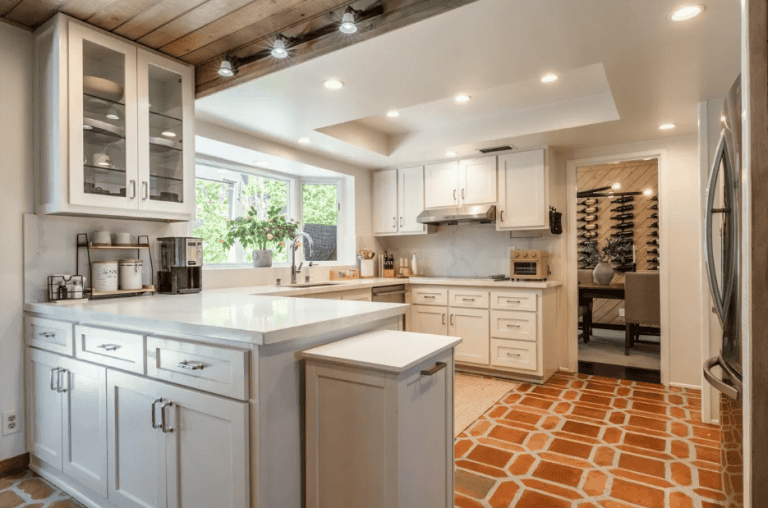
In these areas, getting a permit is technically possible but significantly more expensive and legally fragile:
RMF-2 (Residential Multi-Family 2): This is the “battleground” zone. Permits are allowed but often require a Use Permit and are subject to the highest scrutiny. The town frequently discusses re-zoning parts of RMF-2 to “RMF-R” (Resort) to further separate tourist areas from local areas.
CL-H (Commercial Lodging High): Units here generally qualify, but many older complexes have “non-conforming use” status, meaning if you stop renting for a certain period, you may lose the right to restart.
The “Specific Plan” (SP) & Resort (R) Zones: These are the safest bets (e.g., near Village at Mammoth or Eagle Lodge). Permits are encouraged here, but you will pay a premium for the property itself.
The “hourly billing” mentioned earlier is now a standardized part of the Certified Properties Program. Budget for the following:
Initial Application Fee: Expect to pay approximately $740 for the first-time setup (this covers the administrative time and initial inspection).
Annual Renewal: Roughly $540/year.
Staff Time: If your property has unique issues (e.g., parking layout questions), you may be billed at $135/hour for the planning department’s review time.
The town is now strictly enforcing the 24/7 Local Contact requirement.
If you are an “out-of-area” owner (living more than 60 minutes away), you must list a local property manager or a dedicated local agent on your permit.
The Cost: Local managers in Mammoth typically charge 20%–35% of gross revenue. While they handle the “30-minute response” requirement, they take a massive bite out of the “Math” we did earlier.

Table Of Contents Can You Make Money With Airbnb Without Owning..
There can be. Depending on your cancellation policy, you may lose payout on blocked calendar dates, issue partial refunds, or absorb credit card processing costs. Frequent cancellations can also impact your listing’s visibility, indirectly affecting revenue.
Yes. In many areas, occupancy taxes, tourism taxes, and local short-term rental permit fees can add up. Even if Airbnb collects and remits certain taxes automatically, hosts may still be responsible for local licensing fees, annual renewals, or compliance costs.
Yes. Airbnb typically applies its host service fee to the entire booking subtotal, which includes the nightly rate and the cleaning fee. That means you’re effectively paying commission on your cleaning charge as well — something many hosts don’t factor into their pricing.
Contributing Writer
Emma is an award-winning writer, editor, and journalist specializing in property management, short-term rentals, and mountain town real estate. With deep insight into the unique dynamics of Mammoth Lakes—from seasonal tourism shifts to second-home ownership—she writes about maximizing rental income, guest experience, and long-term property value.
Join our mailing list and receive special offers, updates, and discounted packages directly to your email.
By clicking “Submit”, you are signing up to receiving emails from us. You can unsubscribe whenever you like. SMS rates may apply.
From average costs to expert advice, get all the answers you need to get your job done.

Join our mailing list and receive special offers and important marketing information directly to your email.
By clicking “Submit”, you are signing up to recieving emails from us. You can unsubscribe whenever you like.